Chateau de Pez, Saint-Estephe, Bordeaux
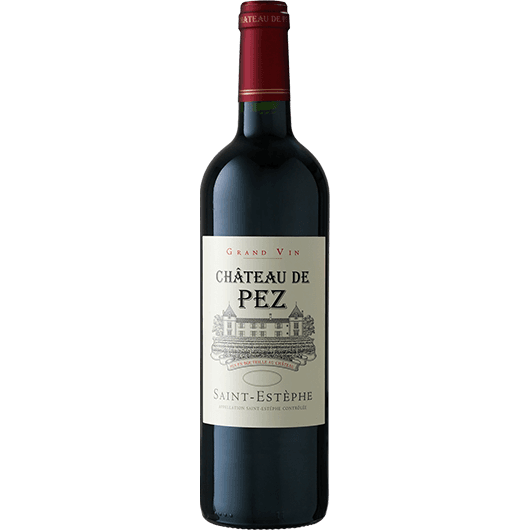
Chateau de Pez, Saint-Estephe, Bordeaux
A brief history of Chateau de Pez, Saint-Estephe, Bordeaux
Château de Pez, one of the oldest estates in the Saint-Estèphe appellation of Bordeaux, boasts a rich history. Dating back to the 15th century, it is renowned as one of the most prestigious properties in the region. The château has witnessed numerous changes in ownership over the centuries, each contributing to its legacy and reputation. The Rouzaud family, famed for Champagne Louis Roederer, took over the property in 1995. In the modern era, Château de Pez has been revitalised and is known for its commitment to quality and tradition, producing wines that truly reflect the character and heritage of Saint-Estèphe. The estate farms about 42 hectares of elevated vineyard. Half are planted to Cabernet Sauvignon followed by Merlot, Petit Verdot and Cabernet Franc. De Pez was ranked in the Cru Bourgeois classification from its launch in 1932 to the time of a system revision at the turn of the 21st century. Following these changes, the estate left the classification and became part of the newly formed Cru Bourgeois Exceptionnels.
Chateau de Pez, Saint-Estephe, Bordeaux overview
The first wine of Château de Pez is a quintessential Saint-Estèphe, known for its robust structure and elegant complexity. A blend predominantly of Cabernet Sauvignon and Merlot, with smaller amounts of Petit Verdot and Cabernet Franc, it reflects the rich diversity of the estate's vineyards., Château de Pez's wine is admired for its ageing potential, developing nuanced flavours and a refined profile over time.
Performance
Sign up for free to unlock chart data
or Sign in
Understanding Chateau de Pez, Saint-Estephe, Bordeaux
The vineyards of Château de Pez are spread over gravelly hills, typical of the Saint-Estèphe terroir, providing excellent conditions for growing the estate’s primary grape varieties. The vineyard sits on a high plateau, promoting good water drainage. The microclimate of the region, coupled with the unique soil composition, plays a vital role in the maturation of the grapes, contributing to the distinctiveness of the wines. The estate practices sustainable viticulture, ensuring the health and longevity of both the land and the vines. In the winery, the grapes from Château de Pez undergo meticulous sorting with separate parcel fermentation in temperature-controlled stainless-steel tanks. The wine is then aged for 12 to 18 months in part-new oak, a process that imparts depth and complexity while respecting the intrinsic qualities of the fruit. This Grand Vin displays deep dark fruit, cassis, undertones of spice, leather and earth in a rich palate with firm tannins and well-balanced acidity. It has excellent cellaring potential.